Just wanted to introduce myself. I’m Hayley Green, currently in my second year out of a four year marketing course. Currently studying Digital Marketing, Advanced Marketing Concepts & Applications, Marketing Communications and Applied Brand Management. Interests outside of uni include cooking, tennis and seeing family and friends.
This is the first post on my new blog. I’m just getting this new blog going, so stay tuned for more. Subscribe below to get notified when I post new updates.
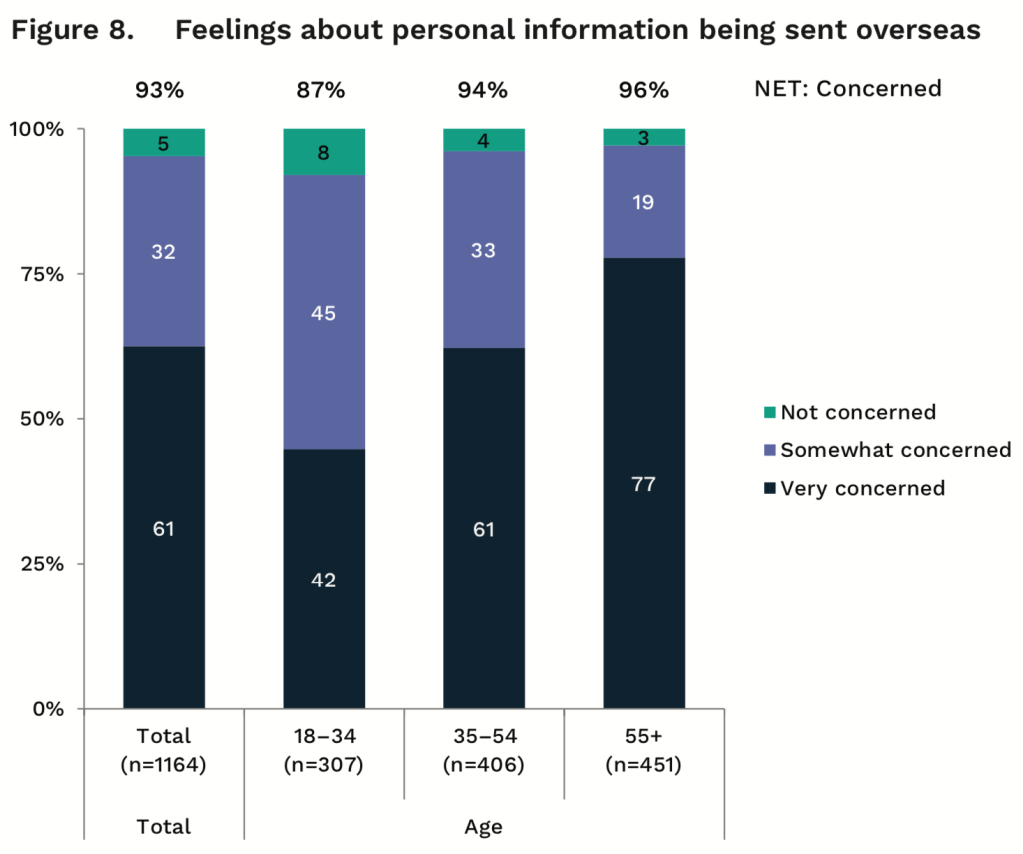
A recent study into the general Australian communities’ attitude to privacy generated some surprising results. Of all the age groups, those between 18-34 years old were significantly less concerned in regard to privacy.
So why is it that millennials aren’t so worried?
Is it because their concerns are focused towards other
issues like the current declining state of earth?
Is it because as they grew up with technology from a young
age so are more accustomed to the internet and the benefits and concerns that
come with it?
Or is it simply a case of the older generations being too paranoid and having unnecessary concerns into their online privacy?
Integrated Marketing Communications, IMC for short, refer to a process for managing the customer relationships that drive brand value.
Over the years as customers have evolved so have IMC methods.
Traditionally, marketers would send their marketing communications only via media channels which they had control over. This is a little too basic and streamlined for the technologically advanced society which we live in today.
Now consumers hold much more power in regard to marketing communications. Consumers have the ability to co-create communications via social media and other new channels.
Therefore, the importance of a marketer’s own communications is diminishing, and the importance of consumers marketing communications is skyrocketing.
This led me to ponder whether this increasing role of consumers in co-creation makes a marketer’s job easier or harder?
On the one hand, it can be seen that the lesser importance placed on marketer’s communicative messages in comparison to consumers is making their job easier.
On the other hand, the need to moderate and tailor this consumer created content can be quite tiresome work, so maybe their job is getting tougher.
What’re your thoughts – is a marketer’s job getting easier or harder in this new age of integrated marketing communications? Let me know in the comments.
Is SEO dead or alive? It’s a question that’s frequently asked.
In short SEO is not dead. I mean, SEO has an estimated value of almost $80 billion dollars – how could something that valuable be dead?
Many people think current advances in the technological world signal SEO’s death. This is wrong. Instead these advances mean online connectivity is the most important it’s ever been. As the Internet of Things (IoT) continues to expand and more and more devices connect to the internet, to perform more and more searches, the importance of SEO will only increase.
I will admit that some SEO elements have died or evolved. To overcome this all you need to do is look at which SEO tactics you should move away from and which SEO tactics you should adopt.
Here are the tactics that you’re probably using at the
moment but instead need to ditch:
Putting search engines before people. Google’s goal is to provide users with the most relevant and valuable results. If you produce this content Google is more likely to put you near the top of the search results.
Being seriously obsessed with that number one ranking spot. Search results today are cluttered with ads, so even if you rank number one your sight might still be buried. So instead, shift your obsession to maximising your click-through rate to see results.
Obsessing over keywords. As search engines become
more sophisticated in determining what your page is about, the need for keyword
optimisation is losing it’s important. So rather than stuffing your article
with a certain keyword, look to optimize your content for an overall better
user experience.
Going all-in on link building. The motto ‘quality
over quantity’ applies perfectly in this context. A links quality is far more
important than the quantity. After all, no one likes a spammer.
Creating way too many pages and posts. Google doesn’t rank websites, rather it ranks individual web pages. So, your focus should be on creating high-quality content bydiving deep into a topic on one page. I don’t mean your whole website should be on one page, but don’t need break your site into a million tiny pieces, okay?
Enough of what not to do, here’s the SEO tactics you should be implementing:
You’ve got to be in this for the long term. Rankings take a long time to acquire. Almost 95 percent of newly published pages don’t get to page 1 within a year, so patience is key.
This probably goes without saying but don’t underestimate
the value in creating high-quality content. Create content your target
audience actually wants to interact with.
For research stick to topic research as opposed to
keyword research. Keywords are old news.
As search engines get smarter its more important for content to be relevant
than be perfectly optimised.
Don’t forget about your old content, relaunch or edit it.
Your older content is likely what forms
the backbone of your sites traffic. So, find old content that ranked well and
update that content.
Improve your CTR. Optimising your click-through rate is a hot topic in the search engine optimisation world today. Testing current titles and meta descriptions is an easy way to improve site traffic.
So there, SEO is alive as ever. As long as search engines exist, ranking in them will be important.
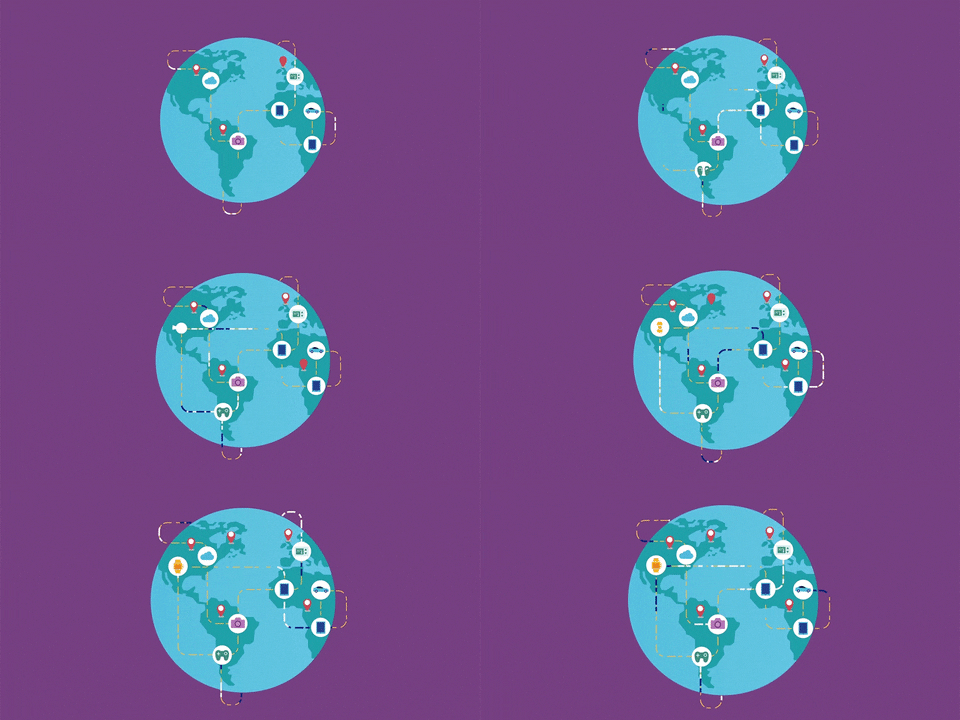
The internet of things refers to the billions of physical devices around the world that are now connected to the internet, collecting and sharing data.
But is this very connected world something we should celebrate or condemn?
On the surface the internet of things seems awesome. I mean, who wouldn’t want their fridge to let them know when they’re out of milk, their watch to measure their heart rate and the ability to control their houses lighting, security and appliances all at the click of a button.
But if you look past these fun features, you’ll notice a significant danger in regard to personal security.
Garage doors can be hacked to collect data on when you usually arrive home. Speakers, even when turned off, can collect data on private conversations. Even vacuum cleaners aren’t safe from hackers with sensitive data on your home’s floor plan being available to hackers.
Scary stuff, right?
So, how can we try to minimise the risks associated with the internet of things?
Check devices frequently for unwanted connectivity features
Keep security patches up-to-date
Set your own passwords and make them unique to each device
Open up a separate network for guests
Occasionally reset your router
Constantly update software and firmware
Follow the simple advice above, sit back, relax and let your IoT devices work, without having to worry your every move is being watched!
Google puts it pretty simply – be there, be useful and be quick.
Sounds easy enough in theory, right? But in order to really understand how to achieve mobile marketing success let’s delve a bit deeper by taking a look at a company who is killing it in the mobile marketing world to take a few hints.
Starbucks operates the most regularly used loyalty rewards app amongst the major restaurant chains. What keeps users coming back to this app? What makes the app so popular? How can you achieve similar success?
It’s fairly simple – the Starbucks app follows Google’s three tips to mobile marketing success (be there, be useful and be quick) very closely.
BE
THERE
If you want success you’ve got to be ahead of the pack. There’s only a very short window of time when users actively search for information about something and if you’re not there ready in that moment then you’ve lost a potential customer. Sounds pretty full on I know but if you commit to being there to help in those moments you’ll be on the way to success.
So, how does Starbucks ensure they’re always there?
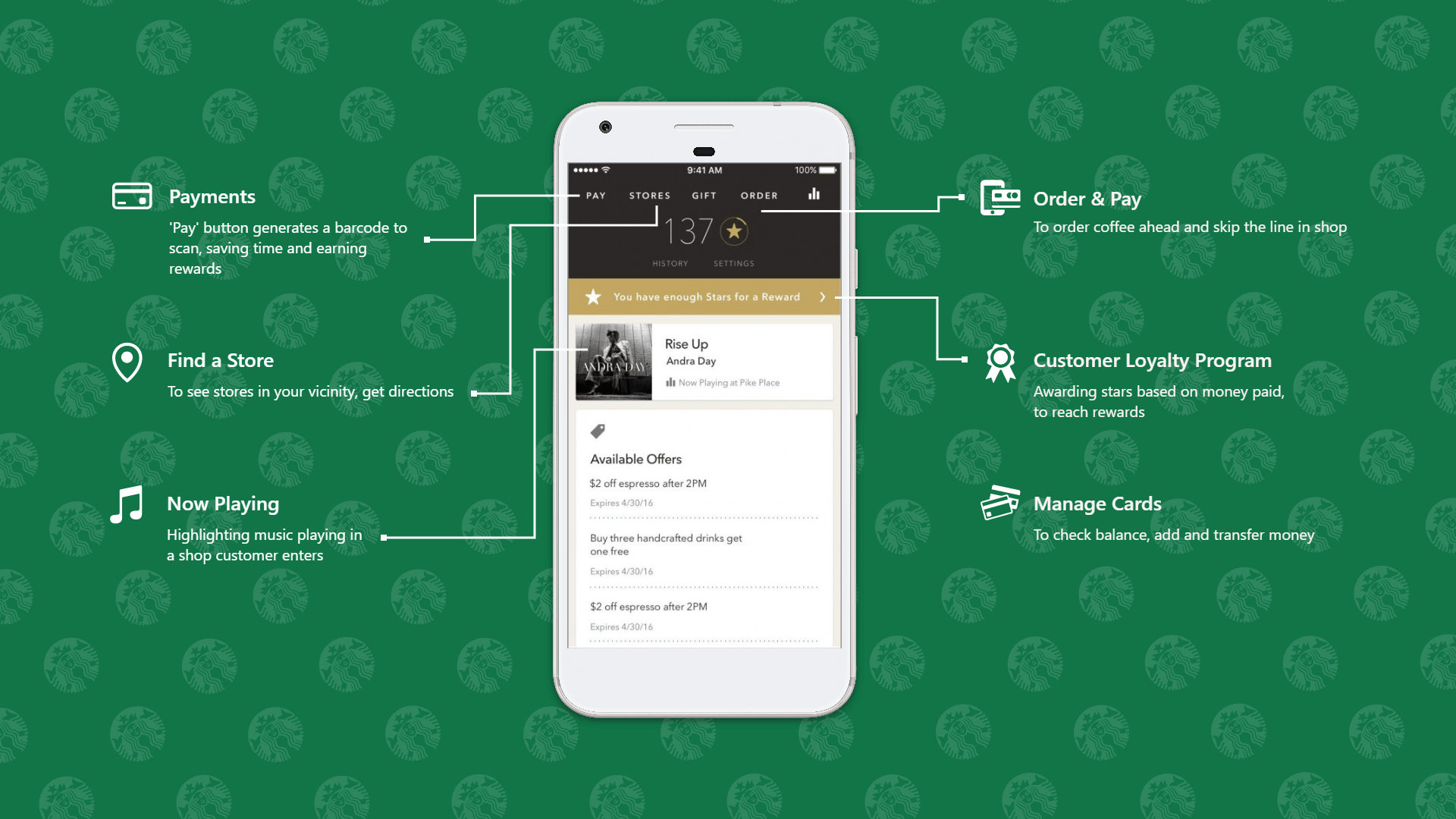
Through a highly personalised in-app experience. The app allows users to see where the closest Starbucks is to them, place an order that will be ready upon their arrival, recall previous orders and even see what music is “now playing” in a store. How cools that? These personalised features keep users coming back for more. Starbucks app is always ready and waiting for users to jump on in search of their next caffeine fix. Always being there when customers need through these various features is one of the key factors for this successful app.
BE USEFUL
With only 9% of users willing to stay on a mobile app or site if it doesn’t satisfy their needs, the importance of being useful is considerable. You’ve got to be relevant to the needs of a consumer in the moment they are on their information search. If you can’t do this the user will simply move on to the next company and you obviously don’t want that. So, having features set up that connect people to the answers they are looking for is essential.
So, how does Starbucks ensure they’re always useful?
You’d struggle to find an app more useful than that of Starbucks. You can find your nearest store, place an order and pay for your order all in 3 simple steps within the app. This app is already at its most useful with the risk of adding any more features leading to confusion within the app reducing its usability. As Chief Digital Officer Adam Brotman stated the company didn’t “want the app to become too much of a Swiss Army knife.” This is an important point to note that a company needs to have enough features to be useful but not have an excessive amount that you end up detracting value from the most important app features.
BE QUICK
Today’s society is incredibly fast paced. Mobile users want to know, go, buy and do in as fast a fashion as possible. The need to have a fast and frictionless mobile experience has never been so important.
So, how does Starbucks ensure they’re always quick?
The simple app layout and option to place and pay for an order online make the whole process quick and easy. Going up to a dedicated station for mobile order-ahead customers and retrieving your order could not be more efficient. Starbucks has found the swiftest possible way for a consumer to receive their order and this ability to ‘be quick’ as google states is largely associated with this app’s success.
The large success of Starbuck’s
mobile marketing poses an important question –
Should a
company’s whole focus be towards mobile marketing or is it still worth the
investment into more traditional marketing forms?
The story of a French tourist making a public plea to find her mystery lover from Mooloolaba made headlines around the world. Everyone loves a fairy-tale so it’s no surprise the heavy media attention this story attracted. The only issue here, was that no media outlets thought to verify this story. So, as I’m sure you can assume this was a hoax.
But why go to the effort of creating a fake story such as this one?
Easy, to create awareness for a product or service that the audience isn’t aware they are being exposed to. This is referred to as a social media stunt, designed to generate buzz. In the previously mentioned case this social media stunt was used to “put Mooloolaba on the map.”
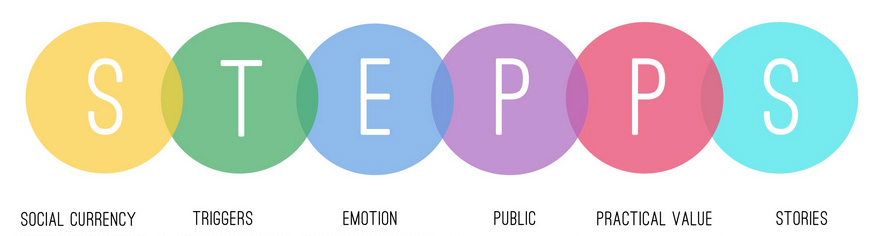
This campaign achieved success through its activation of an emotional response which leads us to act on the stimulus, done through the use of storytelling. People were inclined to share this news story as they believed they were helping someone find a lost love, creating social currency.
The positive effects of a social media stunt are significant when done in the right way, but a misstep could have dire consequences on a company’s reputation.
So, are the associated risks worth it? Definitely.
Social media stunts all across the world have proved to be one of the most effective methods in increasing brand awareness and driving sales up.
Another example of a successful social media stunt was SodaStream’s ‘SodaSoak’ campaign as shown below. This campaign gained large brand exposure worth millions of dollars. The success of this campaign was due to the way SodaStream used celebrities to deliver a light-hearted and humorous video, that still highlighted the features of their actual products available for sale, resulting in an increase in product awareness.
The positive impact of social media stunts is clear.
So I ask you – are the risks associated worth it?












 Digital Marketing